
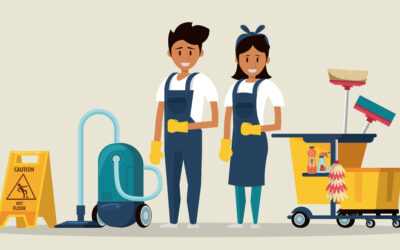
A clean home isn’t just about appearances—it’s about feeling grounded, proud, and at ease in your own space. Housekeeping is the quiet rhythm that keeps life moving smoothly, freeing up your energy for the things that matter most.
Why housekeeping matters
A tidy, organized home reduces stress, cuts decision fatigue, and saves time. When surfaces are clear and systems are simple, you move through your day with less friction and more focus. Over time, small, consistent habits build into a home that supports your mood, productivity, and relationships.
Daily rhythm: small wins that stack up
- Two-minute reset: Grab clutter in sight (keys, cups, mail) and return items to their “home.” It’s momentum, not perfection.
- Surface sweep: Wipe high-touch areas—kitchen counters, dining table, coffee table—right after use to prevent buildup.
- Laundry light-touch: Start one load in the morning or evening; fold as soon as it’s dry to avoid pile overwhelm.
- Dishes done: Clear the sink nightly. Run the dishwasher before bed so you wake to a fresh start.
- Entryway check: Shoes corralled, bags hung, and mail sorted. This keeps the day’s mess from spreading.
Weekly deep clean: anchor tasks that reset the home
Floors day: Vacuum high-traffic areas; mop kitchen and bathrooms. Edges and corners make a visible difference.
Bathroom refresh: Scrub sink, toilet, and shower; swap towels; restock essentials. Shine mirrors for that instant lift.
Bedroom reset: Wash bedding, clear nightstands, and under-bed sweep. A calm sleep space changes your week.
Kitchen care: Clean stovetop, wipe appliance fronts, and empty crumbs from the toaster/microwave.
Dust and details: Dust surfaces, light fixtures, and baseboards. Clean switches and door handles for a crisp finish.
Smart systems and supplies
- Zone your home: Group tasks by areas—kitchen, baths, bedrooms—so you move efficiently and avoid zig-zag cleaning.
- Keep a caddy: Store core tools together: all-purpose cleaner, glass spray, microfiber cloths, scrub brush, gloves.
- Label and contain: Use simple bins for categories (cleaners, laundry, linens) and label clearly to prevent “misc” chaos.
- Set mini-timers: Five to ten minutes per task keeps you focused and turns chores into doable sprints.
Smart systems and supplies
- Zone your home: Group tasks by areas—kitchen, baths, bedrooms—so you move efficiently and avoid zig-zag cleaning.
- Keep a caddy: Store core tools together: all-purpose cleaner, glass spray, microfiber cloths, scrub brush, gloves.
- Label and contain: Use simple bins for categories (cleaners, laundry, linens) and label clearly to prevent “misc” chaos.
- Set mini-timers: Five to ten minutes per task keeps you focused and turns chores into doable sprints.
When professional housekeeping helps
- Time and energy: If your schedule is packed or caregiving is heavy, pros maintain the baseline so you can breathe.
- Specialty cleaning: Deep cleans, move-in/out services, and post-renovation dust removal need expertise and equipment.
- Consistency and quality: A recurring service (weekly or biweekly) keeps your home consistently clean with minimal effort.
- Cost vs. value: Consider the hours and stress saved. Many find the investment pays back in productivity and calm.
Getting started checklist
Define your baseline: Pick your non-negotiables (clear sink, swept floors, made bed).
Create a simple schedule: Daily 15-minute tidy, plus two weekly deep-clean blocks.
Stock smart: All-purpose cleaner, dish soap, glass cleaner, baking soda, microfiber cloths, mop, vacuum.
Delegate or outsource: Share tasks at home, or book a professional for deep cleans or regular maintenance.