
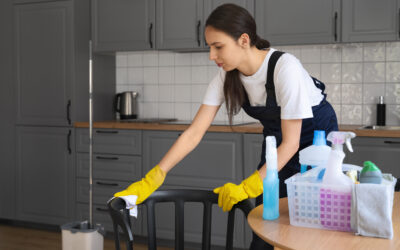
Housekeeping is often misunderstood as a simple daily chore, but in reality, it plays a much bigger role in our lives. It is the foundation of a healthy living environment, a productive workspace, and a stress-free lifestyle. Whether it is a home, office, hotel, or hospital, proper housekeeping ensures cleanliness, safety, comfort, and overall well-being.
In today’s busy world, people spend most of their time indoors. Because of this, the condition of our surroundings directly affects our physical health, mental peace, and work performance. A clean and well-maintained environment helps people feel relaxed, focused, and motivated, while an unclean or cluttered space often creates stress and discomfort without us even realizing it.
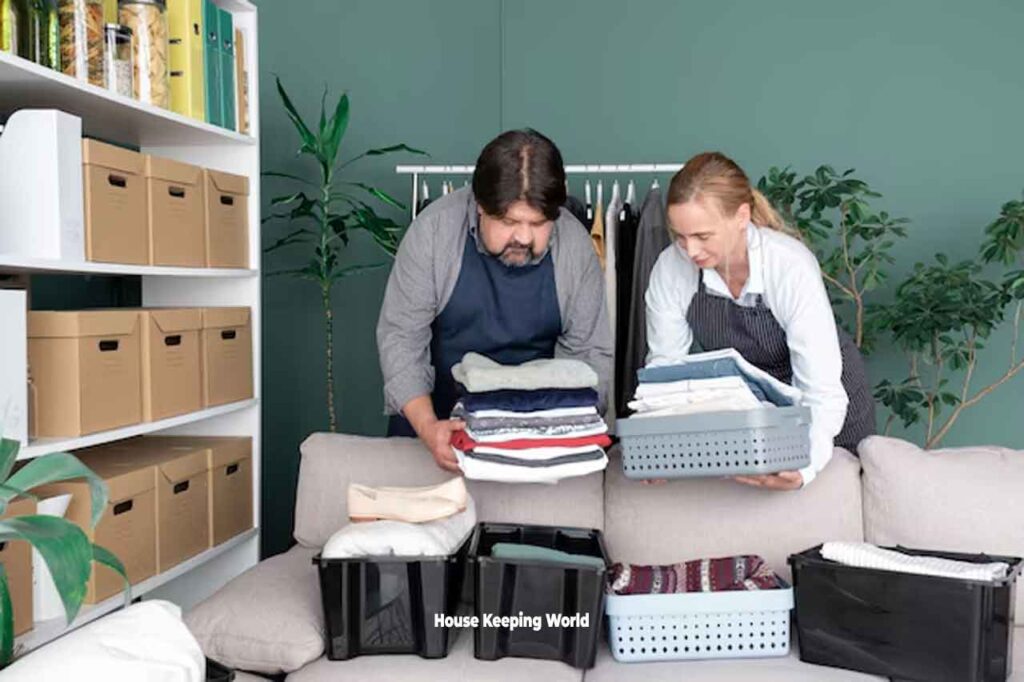
Housekeeping is not just about sweeping floors or wiping surfaces. It includes systematic cleaning, organizing, waste management, hygiene control, and regular maintenance. When these tasks are done consistently and correctly, they create an environment that supports a healthier and more balanced lifestyle.
One of the most important benefits of proper housekeeping is health protection. Dust, dirt, bacteria, and allergens can easily build up in neglected spaces. These can cause respiratory problems, allergies, infections, and other health issues. Regular cleaning of floors, furniture, kitchens, bathrooms, and frequently touched surfaces reduces the risk of illness and creates a safer environment for everyone, especially children and elderly people.

Mental health is another area where housekeeping has a strong impact. A clean and organized space naturally brings a sense of calm and control. When everything is in its proper place, the mind feels less cluttered. This is why many people feel instantly better after cleaning their room or organizing their workspace. A tidy environment improves concentration, reduces anxiety, and increases overall mental clarity.
Housekeeping is also essential for productivity, particularly in offices and commercial spaces. Employees tend to work more efficiently in clean and organized environments. Clean desks, fresh air, hygienic restrooms, and properly maintained common areas help create a professional atmosphere. For businesses, this not only boosts employee morale but also leaves a positive impression on clients, visitors, and partners.
In industries such as hotels, hospitals, and educational institutions, housekeeping is even more critical. In hotels, cleanliness directly affects customer satisfaction and brand reputation. Guests expect clean rooms, fresh linens, and hygienic facilities. In hospitals, proper housekeeping is a matter of safety and life. Strict cleaning standards help prevent infections and maintain a sterile environment for patients and staff. In schools and colleges, clean classrooms and facilities support better learning and discipline.
Effective housekeeping also promotes organization and time management. When items are properly stored and spaces are well arranged, people spend less time searching for things. This small improvement saves time every day and reduces frustration. Over time, this habit of organization extends beyond physical spaces and positively influences daily routines and decision-making.
Another important aspect of housekeeping is sustainability. Responsible cleaning practices include proper waste disposal, recycling, and the use of eco-friendly cleaning products. These practices help reduce environmental impact while maintaining cleanliness. Modern housekeeping focuses not only on appearance but also on long-term environmental responsibility.
Consistency is the key to successful housekeeping. Instead of waiting for dirt and clutter to pile up, regular cleaning schedules help maintain standards effortlessly. Small daily efforts are more effective and less stressful than occasional deep cleaning. This approach makes housekeeping manageable and sustainable in the long run.
Professional housekeeping services have also become increasingly popular. Many households and businesses rely on trained housekeeping staff to ensure high standards of cleanliness and hygiene. Professional housekeepers bring expertise, efficiency, and proper tools, making them a valuable solution for maintaining large or busy spaces.
In conclusion, housekeeping is far more than a routine task. It is an essential part of a healthy, organized, and productive life. Clean surroundings support physical health, mental well-being, efficiency, and professionalism. By giving housekeeping the importance it deserves, we invest in better living standards and a higher quality of life.
A clean space is not just something we see. It is something we feel, every single day.